A pressure washer is a great Working tool and piece of equipment to own that has many uses. However, you may not know or understand which pressure washer is right for you.
Shopping around for a new and the right pressure washer can be confusing initially but it doesn’t have to be. In this case, take the time to learn more about hot vs cold pressure washers and the differences between the two. Once you review this information, you’ll feel knowledgeable and confident about moving forward with your purchase.
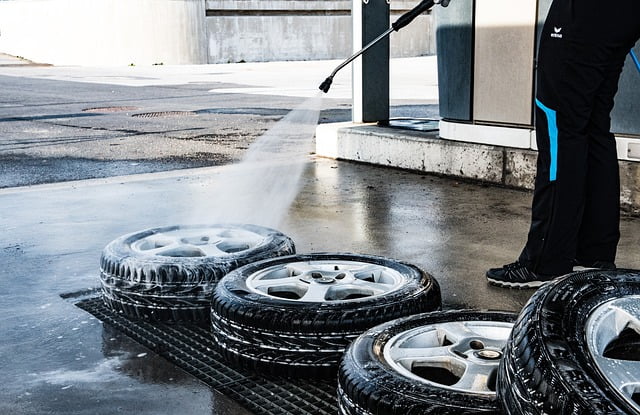
Hot-Water Pressure Washers – With Diesel Fired Boiler
One of your options is to get a hot-water pressure washer. Consider the situation when you need to clean grease and oil off your pots and pans in the sink. Cold water probably doesn’t work too well. The same logic and scenario can be applied to pressure washers.
A hot water pressure washer can effectively cut through tough grease and oil that you may find on various surfaces. The heat is distributed in such a way that it can break down the strong bond and also effectively rid surfaces of substances like bacteria and algae, even sterilising for Covid. The formula of heat, agitation, and soap sets a hot water pressure washer apart.
These pressure washers
that have heat are usually larger than cold water pressure washer units. They not only can create water that’s heated up to as high as 200 degrees Fahrenheit but they use pressurised water to get the surfaces completely clean. It’s the reason why they’re more effective in dealing with and clearing surfaces that are covered in oil and grease. The cleaning power is yet another distinctive difference and here it’s the hot water pressure washer that comes out the winner.
Water lines have a greater potential to freeze in cold climates. Therefore, a hot pressure washer is usually a better option in cold-weather Northern European climates. There are some types of hot pressure washers that can even meet food processing sanitation – Covid cleaning requirements and therefore have various food service applications.
Cold-Water Pressure Washers
Your other option when it comes to pressure washers is a cold-water one. Ideally, you should use them for cleaning dirt and grime off of surfaces. Using your cold-water pressure washer, you can effectively clean areas such as driveways and even metal vehicles. With a hot-water pressure washer, the heat is mainly what gives it its enhanced cleaning abilities. However, with the cold-water pressure washers, they use pressurised water that is produced by the machine to break up dirt that is present on the surface.
It’s the perfect option when you need to clean up surfaces that have a lot of mud and dirt on them. They’re effective in getting rid of soil build-up without you having to incur the expense of using hot water. Some surfaces warp when faced with heat and high temperatures. Therefore, cold water pressure washer units are ideal for surfaces such as plastics or wood. You’ll want to get yourself a cold water pressure washer if you need to clean items such as your siding and decks or cars and boats, trucks, or small earth-moving equipment. There is one downside or disadvantage of a cold water pressure washer, and that is it simply doesn’t have the ability to clean oil and grease as well as a hot water pressure washer can. You can turn your existing cold water pressure washer unit into a hot water pressure washer by adding a – SAB – Stand Alone Diesel fired boiler i.e. Cold water in, very hot water out. Pumps Australia has a great range of our own SABs built in Australia.
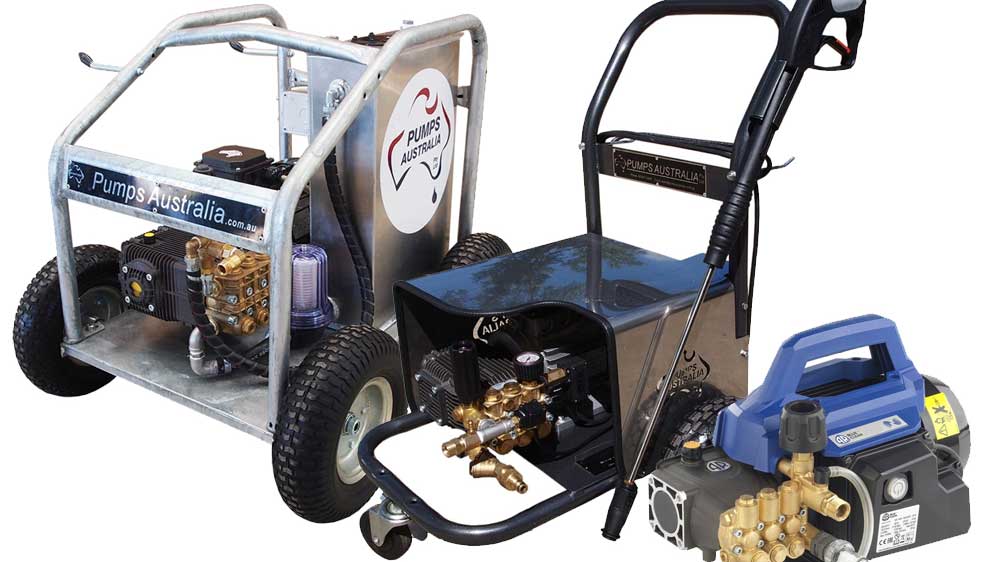
Tips for Choosing the Right One for You
Given all this information, you’re probably now wondering how to go about picking a hot vs. cold pressure washer. You now know the advantages and disadvantages of each but you also want to figure out which pressure washer is best for you and your needs. Choosing the wrong one could potentially harm your business and your reputation with customers or cost you your valuables.
First, consider what industry you are working in. If you deal with a lot of grease and oil such as working in food service or waste management then a hot-water pressure washer might be the best way to go. You’ll benefit from its effective cleaning abilities and will be happy with the results. On the other hand, if you work in an industry such as agriculture or transportation or need one for personal use to remove dirt and mud then you likely should opt for a cold-water pressure washer.
Next, consider your budget and how much you want and have to spend. It’s important to note that compared to a cold-water pressure washer, a hot-water pressure washer can cost you up to three times as much so you definitely need to budget for this difference. It’s not only because you have the cost of having to heat the water but also the direct costs of the machine itself.
Finally, think through what you’re actually going to be using the pressure washer for day-to-day. You need a machine that’s capable of helping you achieve an outcome that will help you better serve your customers and run a better business. Contemplate just how powerful of a machine you need and what surfaces and elements you’ll be regularly cleaning. Hot pressure washers would be ideal for cleaning automotive parts and engines for example, while cold pressure washers are best for blasting away mud and sand and even for stripping paint.
Where to Buy A Pressure Washer
Be glad to know that if you’re in the market for a new pressure washer, Hot or Cold, then we can help. Pumps Australia was established in 1997 and is a unique force in the Pumping and High-Pressure water industry. We are a family-owned and operated business that truly understands our customer’s needs and is here to deliver on our promise to you. Shop our range of products and secure a new machine for your business today. As you look around, feel free to reach out with any questions you have and we’d be happy to help.
Conclusion
It’s important to know the pros and cons and distinctions between Hot vs Cold pressure all can be — Petrol — Diesel & Electric Driven Pressure washers before you make a purchase. It can be the difference between being able to successfully clean your surfaces and not having the right tools you need to serve your customers. You should now feel more equipped, knowledgeable, and confident to know which pressure washer is right for you.


