Chemical Transfer (Petrol)
Chemical Transfer (Petrol)
Can’t find what you’re looking for?
Can’t find what you’re looking for? Try our quick selection guide!
Showing all 6 results
-

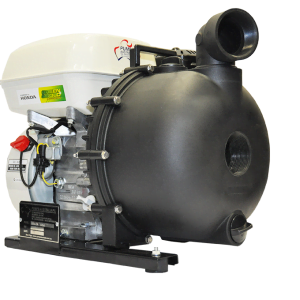
Nitro50 GP200 – 2″ Chemical Transfer Pump
Read more -
Nitro50 GX200 Honda – 2″ Chemical Transfer Pump
$1,512.50 – $2,420.00 (Inc. GST) Select options -
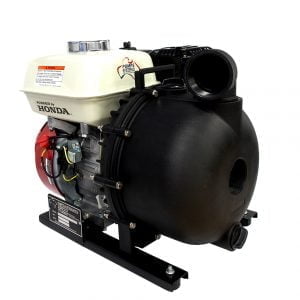
Nitro80 GP200 – 3″ Chemical Transfer Pump
Read more -
Nitro80 GX200 Honda – 3″ Chemical Transfer Pump
$1,754.50 – $2,662.00 (Inc. GST) Select options -
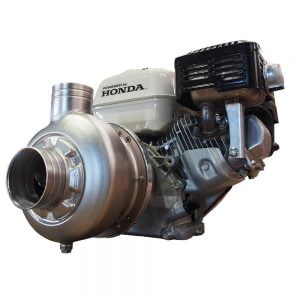
NitroSS GX200 Honda – 2″ Stainless Chemical Transfer Pump
$2,897.95 – $3,805.45 (Inc. GST) Select options -
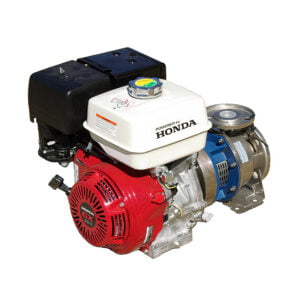
E-SS GX270 Honda – Custom Stainless Chemical Transfer Pump
Read more

Can’t find what you’re looking for?
Frequently Asked Questions - Chemical Transfer Pumps
What is a chemical transfer pump?
A chemical transfer pump is a specialized pump designed for transferring chemicals from one container to another. These pumps are designed to handle the unique properties of chemicals, such as their corrosiveness, viscosity, and volatility.
What types of chemicals can be pumped using a chemical transfer pump?
Chemical transfer pumps can handle a wide range of chemicals, including acids, bases, solvents, and other hazardous materials.
How do I choose the right chemical transfer pump for my application?
When choosing a chemical transfer pump, it’s important to consider factors such as the chemical properties of the materials being transferred, the flow rate required, the pressure needed, and the material compatibility of the pump components. Contact our experienced team at Pumps Australia for all the advice you will need.
How often should a chemical transfer pump be inspected and maintained?
Chemical transfer pumps should be inspected and maintained on a regular basis to ensure safe and efficient operation. The frequency of maintenance will depend on factors such as the type of pump, the chemicals being transferred, and the amount of use. It’s important to follow the manufacturer’s recommended maintenance schedule and to inspect the pump before each use. Pumps Australia can service all makes and models of pumps so contact us today for your next pump service, repair or replacement.
What are some common issues that can occur with chemical transfer pumps?
Common issues with chemical transfer pumps include leaks, clogs, corrosion, and damage to the pump components. These issues can be caused by factors such as improper use, exposure to corrosive chemicals, or wear and tear over time.
What are the different types of chemical transfer pumps?
There are several types of chemical transfer pumps, including diaphragm pumps, centrifugal pumps, gear pumps, and peristaltic pumps. Each type of pump has its own unique advantages and disadvantages, depending on factors such as the viscosity of the chemicals being transferred and the required flow rate and pressure.
What materials are chemical transfer pumps typically made of?
Chemical transfer pumps are typically made of materials that are resistant to the corrosive effects of the chemicals being transferred. Common materials include stainless steel, polypropylene, PVDF (polyvinylidene fluoride), and Teflon.
How can I ensure proper chemical compatibility when selecting a chemical transfer pump?
When selecting a chemical transfer pump, it’s important to ensure that the pump materials are compatible with the chemicals being transferred. This can be determined by checking chemical compatibility charts or consulting with our technical team at Pumps Australia. It’s also important to consider factors such as the temperature and concentration of the chemicals being transferred, as these can affect material compatibility.
What factors should be considered when calculating the flow rate and pressure requirements for a chemical transfer pump?
The flow rate and pressure requirements for a chemical transfer pump will depend on factors such as the volume of fluid to be transferred, the distance between the containers, and the viscosity of the fluid. Other factors to consider include the pipe diameter, the system pressure, and any restrictions or obstacles in the transfer line. Calculating the flow rate and pressure requirements can help ensure that the pump selected is capable of meeting the application’s needs. Pumps Australia have all the technical expertise to assist with any pump selection.
How else can we help?
Couldn't Find Your Preferred Engine?
We carry a large range of other Diesel & Petrol engine brands not shown on our website. Ask us to quote with your preferred brand!
Couldn't Find Your Preferred Pump?
We carry a large range of other High Pressure Pump Brands not shown on our website. Ask us to quote with your preferred brand!
Sign up to our newsletter
"*" indicates required fields
Copyright © 2023 Pumps Australia Pty Ltd. All rights reserved. Sitemap.
Web Design by Cloud Cartel
